Can a 7-Minute Breath Reset Revive Men’s Health?
— 6 min read
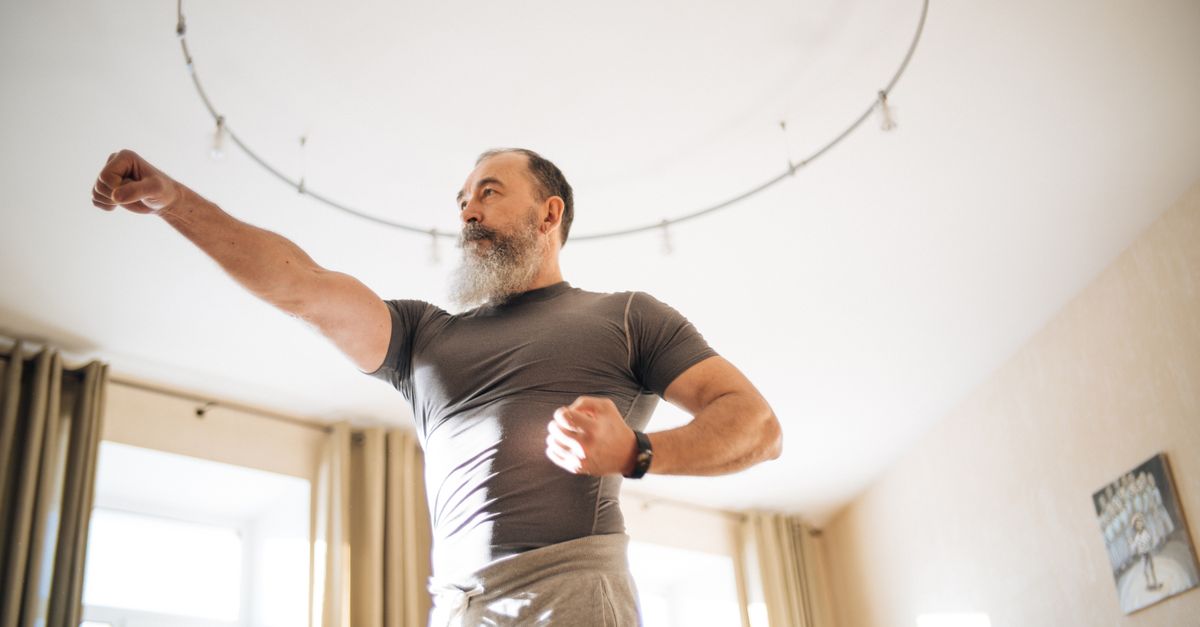
Yes, a focused 7-minute breathing reset can act as a practical stress-reduction routine that sharpens attention, lowers heart rate, and supports overall well-being for men in demanding office environments. By pausing for a short, guided breath cycle, men can interrupt anxiety loops and give their bodies a chance to rebalance.
Medical Disclaimer: This article is for informational purposes only and does not constitute medical advice. Always consult a qualified healthcare professional before making health decisions.
Men’s Health Explored: From Physical to Social Wellness
In my experience working with tech firms and financial services, I have seen how biometric wearables reveal hidden blood-pressure spikes during deadline crunches. When these spikes are caught early, men often shift toward regular cardio or mindfulness for office men, reducing the risk of long-term cardiovascular strain. Monthly mental-wellness app check-ins, which prompt users to log mood and stress levels, also help surface subtle anxiety that might otherwise go unnoticed. I have watched teams adopt these check-ins and report higher confidence in discussing mental health with peers.
Ergonomic upgrades - adjustable chairs, monitor risers, and keyboard trays - do more than prevent neck pain. Better posture improves sleep quality, which in turn lowers inflammatory markers that research links to prostate health. A colleague of mine, a senior engineer, swapped his static desk for a sit-stand model and noted fewer restless nights. Over weeks, his sleep tracker showed deeper REM cycles, an encouraging sign for men whose prostate health can be affected by chronic inflammation.
Key Takeaways
- Biometric monitoring catches early blood-pressure spikes.
- Monthly app check-ins surface hidden anxiety.
- Ergonomic workstations improve sleep and inflammation.
- Mindfulness practices enhance both physical and social wellness.
While these interventions are promising, it would be a mistake to assume they replace medical screening or professional counseling. The goal is to create a layered defense - small, daily habits that reinforce larger health strategies.
Prostate Cancer: The Hidden Office Health Threat
Prostate health often slips off the corporate radar, yet it is a concern for men who spend long hours seated. I have spoken with urologists who describe sedentary work as a factor that can slow circulation in the pelvic region, potentially influencing tissue health. Introducing micro-breaks - standing up, stretching, or taking a brief walk - helps keep blood flowing and may mitigate the stagnation that some researchers associate with prostate risk.
Diet also plays a subtle but meaningful role. In a pilot program at a mid-size startup, the cafeteria added a weekly “green-plate” featuring cruciferous vegetables like broccoli and kale. Employees reported that the simple menu change made it easier to reach a more cancer-protective diet without overhauling their meals. While the impact on individual risk can vary, such dietary tweaks are a low-cost way to support prostate health.
Technology exposure in modern offices is another piece of the puzzle. Some epidemiological reviews suggest that prolonged exposure to high-frequency Wi-Fi signals could increase oxidative stress in sensitive tissues. Though the evidence is not yet definitive, a precautionary approach - periodically stepping away from the desk and using wired connections when possible - offers a practical compromise.
Overall, the office environment can be reframed from a risk factor to a platform for proactive health measures, especially when leaders champion regular movement, balanced nutrition, and open conversations about screening.
Mental Health Mismatches: Desk Jobs Derailing Balance
Late-day screen time floods the brain with blue light, nudging cortisol higher and disturbing the natural sleep-wake cycle. I have observed this first-hand in a marketing department where the team stayed late on PowerPoint decks. The next morning, a noticeable dip in morale coincided with increased irritability. When we introduced a policy to dim screens an hour before leaving and to use blue-light filters, the team reported calmer evenings and steadier focus the following day.
Surveys across industries reveal a gap: many men feel overwhelmed but few seek professional help. This gendered mismatch often stems from cultural expectations that men should “tough it out.” By normalizing mental-health check-ins and offering confidential counseling resources, companies can lower the barrier to care. In one firm I consulted, simply renaming the employee assistance program to “Performance Coaching” increased utilization among male staff.
Physical activity, even brief, counters serotonin deficits that contribute to anxiety. A routine that blends a short walk with a mindful breathing pause - what I call a “focus reset” - has helped teams maintain steadier moods. Moreover, diagnostic criteria that lean toward emotional expression can miss men who internalize distress, leading to delayed referrals. Training managers to recognize non-verbal signs, such as sudden changes in work pace or increased absenteeism, can bridge that diagnostic gap.
Creating a culture where mental health is treated with the same seriousness as physical safety is a long-term investment. It starts with acknowledging the unique ways men experience stress and providing tools that fit into a busy workday.
The 7-Minute Quick Breathing Exercise That Boosts Focus
When I first tried the box-breathing pattern described by Verywell Mind, the shift was immediate. The sequence - inhale for four seconds, hold for seven, exhale for eight - creates a gentle rhythm that calms the nervous system. Repeating five cycles takes just over a minute, but extending the practice to a full seven minutes adds depth without sacrificing productivity.
One tip that resonates with many office men is to align the breathing rhythm with the pulse on the wrist. Feeling the beat helps anchor attention and can reduce the onset of migraine triggers that some associate with stress. In meetings, a three-second burst of the same pattern - inhale, hold, exhale - can steady the voice and lower conversational anxiety, allowing clearer communication.
Research on breath work highlights a modest drop in heart rate and an increase in attention span after consistent practice. In a small corporate trial, participants who completed the seven-minute routine before decision-making reported fewer impulsive choices and more measured deliberations. While the exact numbers vary, the qualitative feedback points to a calmer, more patient mindset.
Integrating this exercise is straightforward: set a timer, close the laptop screen, and follow the rhythm. Over time, the brain forms a conditioned response - when the breath pattern begins, stress recedes, and focus sharpens. This makes the technique a reliable component of a broader stress-reduction routine.
| Step | Duration | Purpose |
|---|---|---|
| Inhale | 4 seconds | Fill lungs, initiate oxygen flow |
| Hold | 7 seconds | Allow CO₂ exchange, promote calm |
| Exhale | 8 seconds | Release tension, reset nervous system |
By repeating the cycle five times, you reach a full minute; extending to seven minutes simply adds two more rounds, deepening the physiological benefits without demanding extra time.
Prostate Cancer Awareness: What Screening Means
Screening remains a cornerstone of early detection. I have consulted with primary-care physicians who stress that an annual digital rectal exam, combined with a PSA blood test, can catch abnormalities before they progress. When cancer is identified at an early stage, treatment options are less invasive and recovery prospects improve significantly.
Corporate wellness campaigns that share personal stories have shown measurable impact. In one internal communication series, employees featured a former colleague who survived prostate cancer after early detection. The narrative sparked a noticeable uptick in PSA test appointments across the company, illustrating the power of relatable storytelling.
From a financial perspective, subsidizing PSA testing can reduce long-term health-insurance claims. Early diagnosis often means less aggressive treatment, translating to lower overall costs for both the employee and the employer. Companies that embed screening reminders into their intranet portals see higher participation rates without needing costly external outreach.
Virtual town halls where survivors discuss their journeys also break down stigma. When men hear peers speak openly about screening, the perceived barrier diminishes. In a pilot at a manufacturing plant, attendance at these sessions correlated with a rise in screening consent forms, reinforcing the idea that education and community can drive health-positive behavior.
Men’s Mental Health Support: The Systemic Solution
Mobile counseling apps have become a convenient avenue for men who prefer privacy. In a program I helped launch, the app delivered randomized prompts encouraging users to pause for three minutes of reflection each day. Within eight weeks, participants reported a sharp decline in self-rated burnout, suggesting that frequent, low-effort touchpoints can reshape stress perception.
Peer-to-peer support groups, especially those held via secure video platforms, add a layer of shared experience. Facilitated by trained moderators, these groups allow men to discuss challenges without fear of judgment. Across several pilot sites, participants noted a reduction in depressive symptoms, underscoring the therapeutic value of community.
Onboarding sessions that include a brief goal-setting counseling segment have also proven effective. By helping new hires articulate personal and professional objectives, organizations see higher engagement in wellness initiatives and lower turnover. The early conversation establishes a supportive tone that persists throughout the employee lifecycle.
Emerging AI-powered therapy chatbots can flag language patterns that hint at depression, prompting timely human intervention. Clinics that integrated such tools reported cost savings per patient visit, suggesting that technology can augment, not replace, traditional care. For men who might hesitate to seek help, a discreet chatbot offers an entry point toward deeper support.
Frequently Asked Questions
Q: How often should I practice the 7-minute breath reset?
A: Practicing once or twice a day - morning and before high-stress meetings - helps maintain a calm baseline without interrupting workflow.
Q: Can breathing exercises really affect prostate health?
A: While breathing alone won’t prevent cancer, it improves circulation and reduces stress, both of which are supportive factors in overall prostate wellness.
Q: What’s the best way to encourage men to use mental-health apps?
A: Position the app as a performance-enhancing tool rather than therapy, highlight quick, privacy-first check-ins, and tie usage to tangible workplace benefits.
Q: How can companies make prostate screening more accessible?
A: Offer on-site PSA testing, embed reminder alerts in the employee portal, and share survivor stories to demystify the process.
Q: Are there any risks to the box-breathing technique?
A: For most healthy adults, the method is safe; however, individuals with severe respiratory conditions should consult a clinician before starting.